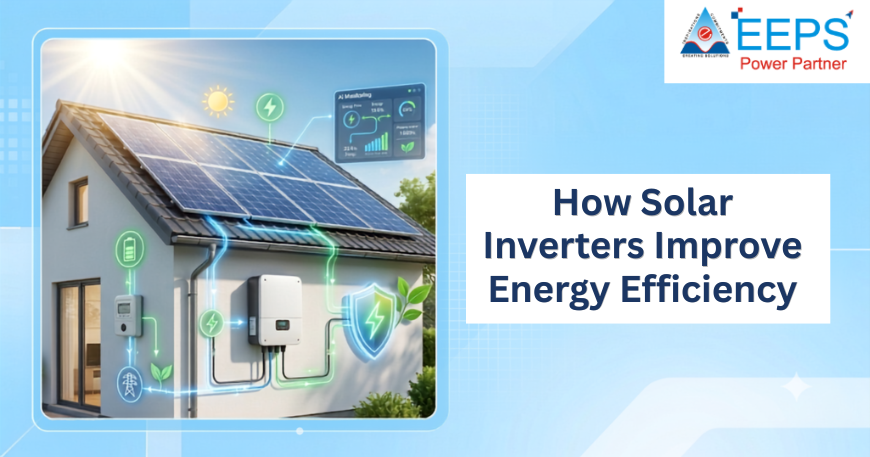
As energy costs continue to rise and environmental awareness grows, more homeowners, businesses, and industries are turning to solar power as a reliable and sustainable energy source. While solar panels are responsible for capturing sunlight, the solar inverter is the technology that transforms this energy into usable electricity. Understanding How Solar Inverters Improve Energy Efficiency is essential for anyone planning to invest in a solar energy system because the inverter directly impacts the system’s performance, reliability, and long-term savings.
Solar inverters are not just for the conversion of electricity into another form. Modern inverters optimize power generation, monitor system performance, improve electrical safety, and reduce energy losses. Choosing a high-quality inverter allows you to maximize the benefits of your solar investment while reducing your dependence on conventional electricity. With us at Essar Power, you will find Advanced Solar Inverter Solutions that will help residential, Commercial Solar tops, and industrial clients become more energy-efficient and save on their costs in the long run.
A solar photovoltaic (PV) system generates electricity in the form of direct current (DC). However, homes, offices, factories, and commercial buildings operate using alternating current (AC). The solar inverter converts DC electricity into AC power, making it suitable for running electrical appliances and connecting with the utility grid.
Today’s smart solar inverters are equipped with advanced technologies that continuously monitor system performance. They help identify electrical faults, regulate voltage, and ensure that the solar panels operate efficiently throughout the day. Without a reliable inverter, even the highest-quality solar panels cannot deliver their maximum potential.
Solar inverters also provide valuable insights through digital monitoring platforms. Users can track electricity generation, monitor consumption, and receive maintenance alerts using mobile applications or web-based dashboards. This allows quick identification of issues and ensures that the system continues to perform efficiently throughout its lifespan.
The primary purpose of a solar inverter is to maximize the amount of electricity generated by the solar panels. Weather conditions, sunlight intensity, dust accumulation, and temperature changes affect panel performance throughout the day. Advanced inverters automatically adjust their operating parameters using Maximum Power Point Tracking (MPPT) technology to extract the highest possible energy under varying conditions.
High conversion efficiency is another major factor. During the conversion process from DC to AC, some amount of energy is naturally lost. Premium solar inverters minimize these losses by achieving conversion efficiencies above 98 percent. This means more electricity generated by the Solar Panels is available for use within the building, resulting in lower electricity bills and improved return on investment.
Modern inverters also regulate power quality by maintaining stable voltage and frequency levels. Stable electricity protects sensitive electronic equipment while improving the reliability of the entire electrical system. Businesses especially benefit from consistent power quality because voltage fluctuations can affect productivity and equipment performance.
Technology has transformed solar inverters into intelligent energy management systems. Modern models offer several advanced features that improve overall system performance while making solar energy easier to manage.
Real-time monitoring enables users to view daily, monthly, and annual energy production from anywhere. Smart diagnostics detect potential problems before they become serious, reducing maintenance costs and preventing unexpected downtime. Many inverters also support remote software updates, ensuring optimal performance without requiring physical service visits.
Another valuable feature is smart grid compatibility. Grid-connected inverters automatically synchronize with the electricity network, allowing excess solar energy to be exported while drawing power from the grid whenever necessary. Hybrid inverters further enhance efficiency by integrating battery storage, enabling excess daytime energy to be stored for use during nighttime or power outages.
Choosing the right inverter depends on your property’s energy requirements, roof design, and budget. Each inverter type offers unique advantages for specific applications. How Solar Inverters Improve Energy Efficiency.
String inverters remain one of the most popular choices for residential rooftop solar systems because they provide an affordable and reliable solution for homes with minimal shading. They are easy to install and maintain, making them ideal for standard residential installations.
For large commercial buildings, factories, and industrial facilities, central inverters are commonly used because they efficiently handle high-capacity solar installations and deliver reliable long-term performance.
Installing an energy-efficient solar inverter provides long-term financial and environmental benefits. One of the most significant advantages is the reduction in electricity bills. Since more solar energy is converted into usable electricity, less power needs to be purchased from the utility grid. How Solar Inverters Improve Energy Efficiency. Efficient inverters also improve the overall productivity of solar panels by continuously optimizing power generation. This increases annual energy production and allows property owners to recover their solar investment more quickly. Enhanced safety features such as surge protection, ground fault detection, automatic shutdown, and overvoltage protection safeguard both the solar installation and connected electrical equipment.
Additional benefits include:
These advantages make high-quality solar inverters an essential component of every successful solar power system.
Even the best inverter cannot deliver maximum performance without proper installation. Professional installers carefully assess roof orientation, shading conditions, electrical load requirements, and future expansion plans before recommending the most suitable inverter.
Correct installation improves system safety, minimizes electrical losses, and ensures compliance with national electrical standards. Proper ventilation is equally important because excessive heat can reduce inverter efficiency and shorten equipment life.
At Essar Power, our experienced engineers provide complete solar system design, professional installation, testing, and commissioning. Every project is customized to meet the customer’s energy requirements while maximizing system efficiency and long-term reliability.
Although modern solar inverters require minimal maintenance, regular inspections help maintain consistent performance. Routine servicing includes checking electrical connections, cleaning ventilation openings, reviewing software updates, and monitoring system performance reports.
Remote monitoring systems make maintenance easier by providing instant notifications whenever performance drops or electrical faults occur. Early detection allows technicians to resolve minor issues before they affect overall energy production.
Preventive maintenance extends the life of the inverter while ensuring uninterrupted operation throughout the year. Choosing an experienced solar solutions provider ensures ongoing technical support whenever maintenance or upgrades are required.
When investing in solar energy, selecting a trusted technology partner is just as important as choosing quality equipment. Essar Power delivers comprehensive solar energy solutions designed to maximize efficiency, reliability, and long-term value. Our experienced team provides customized recommendations based on each customer’s energy requirements, ensuring the right inverter is selected for every project.
From residential rooftop systems to large-scale commercial and industrial installations, we combine premium products with professional installation and dependable after-sales support. Our commitment to quality, innovation, and customer satisfaction has made us a trusted name in energy-efficient solar solutions.
Essar Power is here to help you choose the right solar inverter and complete solar solution for your home, business, or industrial facility.
Contact Essar Power our team today for expert consultation, professional installation, and reliable after-sales support.
How Solar Inverters Improve Energy Efficiency is by converting DC power into usable AC electricity while maximizing energy output and reducing power losses.
How Solar Inverters Improve Energy Efficiency includes MPPT technology, which optimizes voltage to maximize solar energy production.
How Solar Inverters Improve Energy Efficiency helps lower electricity bills by improving energy conversion and maximizing solar power usage.
How Solar Inverters Improve Energy Efficiency depends on selecting the right inverter, such as string or hybrid models, based on your energy needs.
Regular maintenance supports How Solar Inverters Improve Energy Efficiency by ensuring reliable performance, better safety, and long-term efficiency.





Copyright © 2026 Essar Enterprise Power Solutions | Designed by Web Rocz
WhatsApp us